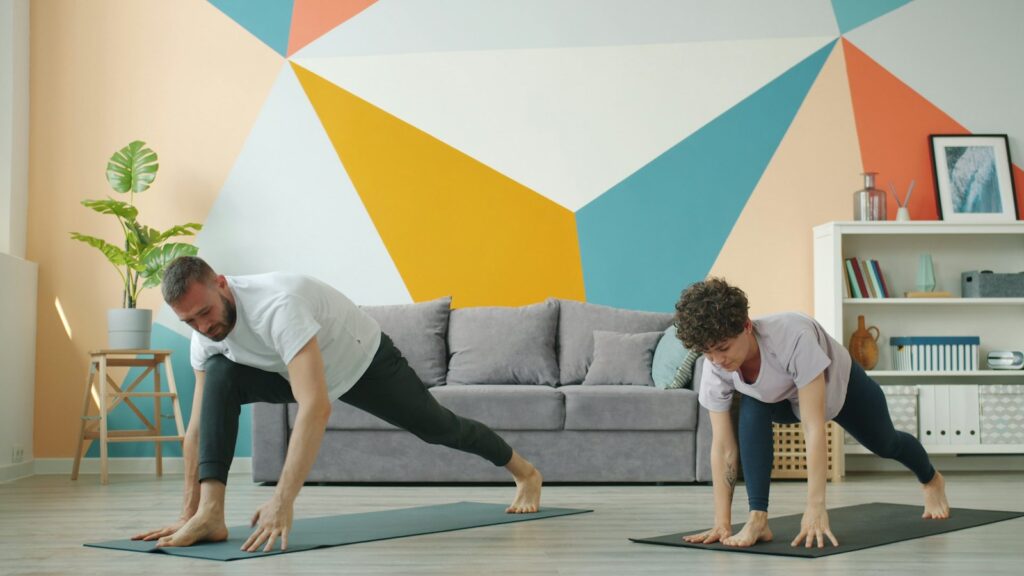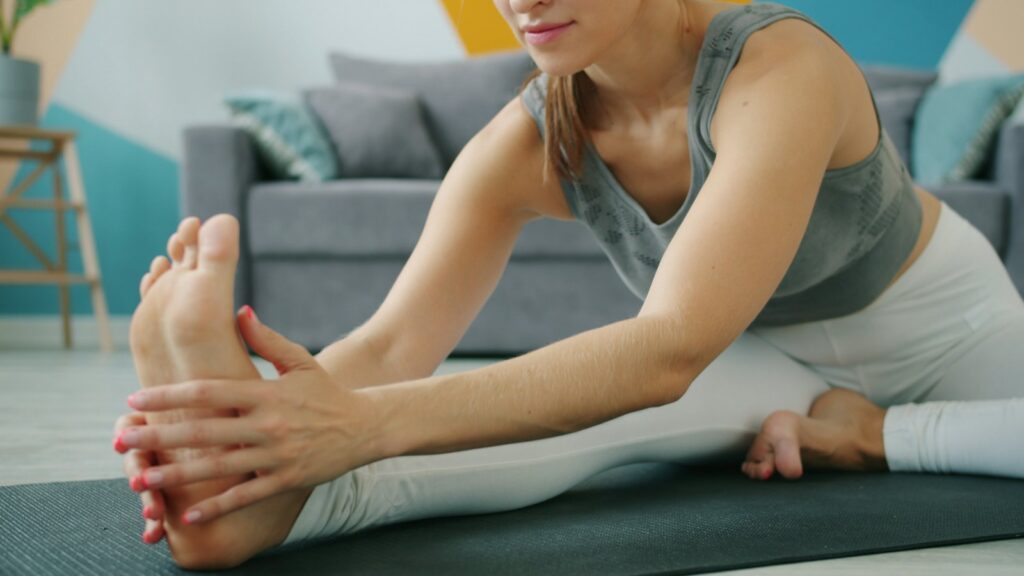
Starting a stretching habit raises plenty of small questions. How long should I hold a stretch? Is it normal to feel stiff? Do I need a mat? None of them are silly, and getting clear answers early can make the first few weeks feel much less uncertain.
This beginner Q&A collects the questions people most often ask when they are just getting started, with plain, practical answers.
Getting started
Do I need to be flexible to start stretching?
No. Stretching is something you do to explore and maintain your range, not something you need to be good at first. Everyone starts from wherever they are today. If you cannot touch your toes, a forward fold that stops at your shins is still a forward fold.
What equipment do I need?
Very little. A few useful extras, none of them essential:
- A mat or a folded blanket for floor stretches.
- A cushion or firm pillow to sit on or kneel on.
- A strap, belt or towel to help you reach your feet.
- A sturdy chair or wall for balance in standing stretches.
Comfortable clothes that let you move freely matter more than any specific gear.
When is the best time of day to stretch?
The best time is the one you will actually stick with. Some people like a short routine in the morning, others prefer a desk break in the afternoon or a slow sequence before bed. If you are not sure, pick a moment that already happens every day and attach your stretch to it.
During a session
How long should I hold each stretch?
For gentle everyday stretching, many routines suggest holding a position for several slow breaths, often somewhere around twenty to thirty seconds. There is no need to be exact. If counting seconds feels stressful, count five slow breaths instead.
How should a stretch feel?
A good stretch usually feels like mild tension or a gentle pull in the area you are targeting. It should never feel sharp, pinching, burning or tingling. If it does, ease off or come out of the position entirely.
Should I stretch both sides equally?
Yes, as a general rule. You may notice that one side feels different from the other, which is common. Give both sides the same time and attention rather than spending extra effort forcing the stiffer side.
A beginner routine should feel like a pleasant pause in the day, not like an exam you are trying to pass.
Building the habit
How often should I stretch?
Short and regular tends to work better than long and occasional. A few minutes most days is a sensible starting point. You can always add time once the habit feels automatic.
How long until stretching feels easier?
That varies from person to person, and it depends on how often you practise and what your days look like. Rather than chasing a deadline, notice small signs: positions feeling a little more familiar, less effort to remember, a routine that feels like part of your day.
What if I miss a day?
Then you simply start again the next day. One missed day changes very little. Many people find the “never miss twice” approach helpful: allow yourself the occasional gap, but get back to it the following day.
Is it better to follow a routine or make one up?
Both work. Following a set routine removes decisions, which helps when motivation is low. Making your own lets you focus on the areas you care about. A mix of the two is common: a guided routine on busy days, your own favourites when you have more time.
If you would like something to guide you, Bend is a third-party stretching app with short follow-along routines and reminders, designed for a range of experience levels. Check the current pricing on the official site before you sign up.
A simple first-week plan
- Days 1 to 2: three easy stretches, five breaths each.
- Days 3 to 4: add a short warm-up of shoulder rolls and marching on the spot.
- Days 5 to 6: try a fourth and fifth stretch for an area you sit on or use a lot.
- Day 7: look back at the week and keep the stretches you enjoyed most.
A quick health note
This post is general information, not medical advice. If you are pregnant, recovering from an injury, managing a health condition or simply unsure, consult a healthcare professional before starting a stretching routine. Stop straight away if anything feels painful.
The takeaway
You do not need flexibility, special gear or a lot of time to start. Pick a regular moment, choose a few gentle stretches, breathe slowly through each one and come back tomorrow. The questions tend to answer themselves once the routine becomes familiar.